The information on this website is general in nature and does not take into account your objectives, financial situation, or needs. Consider seeking personal advice from a licensed adviser before acting on any information.
Welcome to our comprehensive guide on comparing insurance options for mixed farming. As a rural farm owner, you face unique challenges that require specialized insurance coverage to protect your livelihood.
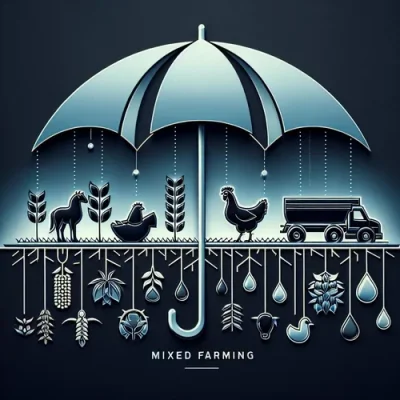
Mixed farming involves the cultivation of crops alongside raising livestock, and this diversified approach introduces a variety of risks and rewards. It's essential to understand the importance of insurance in safeguarding your farm against unforeseen events.
Rural farm owners must compare different insurance options to find the best fit for their specific needs. From crop failure due to extreme weather to livestock health issues, the right insurance can make a significant difference in maintaining the stability of your operations.
This article will guide you through the complexities of seasonal risks in farming, different types of insurance coverage, and how to select the most suitable policies for your mixed farming needs.
Understanding Mixed Farming Operations
Definition and Types of Mixed Farming
Mixed farming is a versatile agricultural approach that combines the cultivation of crops with the raising of livestock on the same farm. This practice aims to create a balanced and sustainable farming operation, optimizing the use of resources and diversifying income streams.
There are various types of mixed farming, including integrated crop-livestock systems and rotational grazing methods. Some farms may focus predominantly on crops with a few livestock, while others may have a more balanced mix of both.
Common Risks Associated with Mixed Farming
Although mixed farming offers many benefits, it also presents unique risks. Weather conditions such as drought, floods, and storms can devastate both crops and livestock. Pests and diseases pose another threat, affecting crop yields and livestock health.
Economic factors, such as fluctuating market prices and increased production costs, can also impact the profitability of mixed farming. Additionally, managing the complexities of both crop and livestock production demands extensive knowledge and resources.
How Mixed Farming Differs from Other Agricultural Practices
Unlike specialized farming, which focuses solely on either crop cultivation or livestock rearing, mixed farming aims to utilize the synergies between the two. This integrated approach can lead to better nutrient recycling, improved soil health, and more efficient use of resources.
Mixed farming also allows farmers to reduce their reliance on external inputs by using animal manure as fertilizer for crops and crop residues as feed for livestock. This diversified system can offer greater financial stability by spreading risks across multiple agricultural activities.
Key Insurance Coverages for Mixed Farmers
Property Insurance: Protecting Buildings and Equipment
Property insurance is essential for mixed farmers, as it covers the physical structures and equipment on your farm. This includes barns, sheds, machinery, and tools that are integral to your operations.
In the event of damage or loss due to events such as fires, storms, or theft, property insurance ensures that you can repair or replace these assets and continue your farming activities with minimal disruption.
Crop Insurance: Coverage for Diverse Crops
Mixed farming often involves planting a variety of crops, which can be susceptible to different risks. Crop insurance provides financial protection against losses resulting from adverse weather conditions, pests, and diseases.
By covering yield losses, crop insurance helps stabilize your income and ensures that you can recover more quickly from unexpected events that affect your harvest.
Livestock Insurance: Safeguarding Animal Units
For mixed farmers raising animals, livestock insurance is crucial. This coverage protects against losses due to illness, accidents, and natural disasters that may affect your livestock.
Livestock insurance can cover the costs of veterinary care, replacement of animals, and compensations for income loss, thereby ensuring the sustainability of your livestock operations.
Liability Insurance: Ensuring Legal Protection
Liability insurance is important for protecting mixed farm owners from potential legal claims. This could include incidents where someone is injured on your property or if your products cause harm to consumers.
Having liability insurance can cover legal fees and damages, providing peace of mind and financial security in the event of a lawsuit.
Business Interruption Insurance: Maintaining Cash Flow during Disasters
Business interruption insurance helps maintain cash flow by compensating for lost income and operating expenses when your farm's operations are disrupted due to covered events like natural disasters.
This insurance is critical in ensuring that you can continue to meet financial obligations, pay employees, and recover quickly from interruptions in farm production.
Factors to Consider When Comparing Insurance Options
Assessing Your Specific Needs and Risks
When comparing insurance options for your mixed farming operations, it's crucial to start by assessing your specific needs and risks. Each farm is unique, and the types of crops and livestock you manage will influence the kinds of insurance coverage you require.
Consider the historical risks and challenges your farm has faced. Have you experienced frequent droughts, severe storms, or pest infestations? Understanding your vulnerability to these risks will help you determine which coverages are essential for safeguarding your farm.
Evaluating Policy Features and Coverage Limits
Next, carefully evaluate the features and coverage limits of different insurance policies. Not all insurance policies are created equal, and the specifics can vary significantly between providers.
Look for policies that offer comprehensive coverage for both crop and livestock losses. Ensure that the coverage limits are sufficient to protect your investments fully. Pay attention to any exclusions or limitations that might affect your ability to claim in certain situations.
Comparing Costs and Premiums
Cost is a significant factor when choosing insurance. Compare the premiums of different policies, but remember that cheaper isn't always better. The key is to find a balance between affordability and adequate coverage.
Take the time to understand what each policy covers and consider the overall value rather than just the price. Sometimes, paying a little more for comprehensive coverage can save you from substantial financial losses down the road.
Reviewing Insurer Reputation and Customer Service
Finally, review the reputation and customer service of the insurers you're considering. A policy is only as good as the company behind it, and you want to choose an insurer known for reliability and prompt claims processing.
Read reviews and testimonials from other farmers, and consider the insurer's history of paying out claims. Good customer service is also essential, as it can make the claims process more manageable and less stressful when you need it most.
Tips for Finding Competitive Insurance Rates
Bundling Policies for Discounts
One effective way to secure competitive insurance rates is to bundle multiple policies with the same insurer. Many providers offer discounts when you combine different types of coverage, such as crop, livestock, and property insurance.
Bundling not only saves money but also simplifies managing your insurance. With all your policies under one roof, you can streamline payments and reduce the administrative burden on your farm operations. Talk to your insurance provider about potential bundling options and discounts available for mixed farmers.
Regularly Reviewing and Updating Your Coverage
Farm operations and risks can change over time, so it's crucial to review and update your insurance coverage regularly. Conduct an annual review of your policies to ensure they still meet your needs and cover all aspects of your farm.
If you've expanded your operations, added new equipment, or faced new types of risks, you may need additional coverage or adjustments to your existing policies. Regularly updating your insurance ensures that you are not underinsured and are getting the best possible rates for your current situation.
Working with Insurance Brokers for Better Deals
Insurance brokers can be invaluable in finding the most competitive rates for your mixed farming insurance needs. Brokers have access to a wide range of insurance providers and can compare different policies to find the best fit for your farm.
Working with a broker saves you time and effort, as they can negotiate on your behalf and often secure better deals than you might find on your own. They can also provide expert advice on the types of coverage that would be most beneficial for your unique farm operations.
Utilizing Online Comparison Tools
In the digital age, online comparison tools provide an easy and efficient way to compare insurance options. These tools allow you to input your specific needs and receive quotes from multiple insurance providers, all in one place.
Utilizing these tools can help you quickly identify which policies offer the best value and coverage for your mixed farming operations. Online platforms often feature customer reviews and ratings, giving you additional insights into the reliability and service quality of various insurers.
Different Types of Insurance to Consider
Crop Insurance
Crop insurance is a vital coverage for farmers that helps protect against financial loss due to adverse weather conditions, pests, and diseases that might affect crop yield. This type of insurance ensures that farmers can recover economically from poor harvests caused by conditions beyond their control.
When selecting crop insurance, consider policies that offer comprehensive protection for the diverse crops you grow. Look for coverage that compensates for both yield losses and revenue reductions. This can provide a more stable income even when faced with disastrous weather or pest outbreaks.
Livestock Insurance
Livestock insurance provides financial protection against the risks associated with raising animals on your farm. This includes losses due to illness, accidents, and natural disasters. Taking out livestock insurance ensures that you can cover the costs of veterinary care and replace animals that you might lose unexpectedly.
It's important to select livestock insurance policies that cover the specific types of animals you raise. Verify the extent of the coverage, including aspects like mortality, fertility issues, and loss of income due to a reduction in livestock productivity.
Property and Equipment Insurance
Property and equipment insurance is essential for protecting your farm's infrastructure and machinery. This type of insurance covers buildings such as barns and greenhouses, as well as essential farming equipment like tractors, harvesters, and irrigation systems.
In events like fire, theft, or natural disasters, property and equipment insurance can ensure that you can repair or replace damaged assets quickly, minimizing operational disruptions. Evaluate policies based on the scope of coverage and consider any additional endorsements that might be necessary for specialized equipment.
Business Interruption Insurance
Business interruption insurance is designed to cover the loss of income that occurs if your farming operations are disrupted by a covered peril. This can include natural disasters, such as floods or storms, that force you to halt production temporarily.
This type of insurance helps maintain cash flow, enabling you to continue covering expenses like payroll, loans, and everyday operational costs during the interruption period. It provides a financial cushion, giving you time to recover and resume normal activities without falling into severe financial hardship.
Conclusion: Making an Informed Decision
Recap of Key Points
Throughout this article, we've covered the various insurance options that are crucial for protecting mixed farming operations. From understanding seasonal risks to comparing different types of insurance coverage, we've highlighted the importance of safeguarding your farm against unforeseen events.
We've also discussed how to evaluate and compare insurance policies, find competitive rates, and avoid common mistakes. By implementing expert tips and learning from real-life examples, you can make more informed decisions about the coverage that best suits your specific farming needs.
Encouragement to Take Action and Protect Your Farm
It's essential to take proactive steps to protect your farm. Whether you're managing crops, livestock, or both, having the right insurance coverage can make a significant difference in maintaining the stability and profitability of your operations.
Don't wait until disaster strikes to consider your insurance options. Regularly review and update your policies to ensure they align with your current farming activities and risk profile. Prevention and preparedness are key to mitigating the impacts of adverse events on your farm.
Published: Monday, 9th Dec 2024
Author: Paige Estritori



No comments yet. Be the first to share your thoughts.