The information on this website is general in nature and does not take into account your objectives, financial situation, or needs. Consider seeking personal advice from a licensed adviser before acting on any information.
Managing a farm involves juggling many uncertainties and potential risks. Risk management in farming refers to the process of identifying, assessing, and prioritising risks associated with agricultural activities. Effective risk management ensures that farmers can handle obstacles and continue their operations smoothly.
Introduction to Risk Management in Farming
Risk management is crucial for farmers because it helps safeguard their livelihood against unforeseen events. From unpredictable weather patterns to market fluctuations and equipment failures, farming is fraught with risks that can severely impact productivity and profitability.
The primary purpose of this blog is to equip rural farmers with actionable best practices to mitigate risks. By understanding various types of risks and implementing effective strategies, farmers can enhance their resilience and ensure the sustainability of their operations.
Common risks in farming include environmental risks like drought, floods, and pest infestations. There are also economic risks such as market price volatility, and operational risks including equipment failures and labour shortages. Societal risks, such as changes in regulations and community relations, also play a significant role in farming risk management.
An effective risk management plan helps farmers navigate these challenges, ensuring steady farm operations and long-term success. By proactively addressing potential threats, farmers can make informed decisions and protect their investments.
Identifying Potential Risks
Environmental Risks
Farming is highly dependent on weather conditions, making it susceptible to various environmental risks. Droughts can deplete water resources and devastate crops, while floods can wash away topsoil and damage infrastructure. Pests and diseases are also significant threats that can severely reduce crop yields.
Economic Risks
Economic risks are common in farming due to market fluctuations and price volatility. Changes in global markets can affect the prices of commodities, while local economic conditions can impact the cost of inputs such as seeds, fertilisers, and labour. These fluctuations can make it difficult for farmers to achieve stable incomes.
Operational Risks
Operational risks arise from the day-to-day activities involved in managing a farm. Machinery breakdowns can halt operations and lead to costly repairs. Additionally, farm owners often face challenges related to labour shortages and managing workforce productivity.
Legal and Regulatory Risks
Legal and regulatory risks are also a concern for farmers. Compliance with agricultural regulations, environmental laws, and labour laws is essential to avoid fines and lawsuits. Staying informed about changing regulations and maintaining proper documentation can help mitigate these risks.
Developing a Risk Management Plan
Conducting a Risk Assessment
The first step in developing a risk management plan is to conduct a thorough risk assessment. This involves identifying and evaluating the various risks that could impact your farm operations.
Start by creating a list of potential risks, including environmental, economic, operational, and societal risks. Gathering input from farm workers, stakeholders, and experts can provide a comprehensive view of possible threats.
Prioritizing Risks Based on Impact and Likelihood
Once you have identified potential risks, the next step is to prioritize them based on their potential impact and likelihood.
Consider both the severity of the consequences and the probability of each risk occurring. For instance, a high-impact risk with a high likelihood of occurring should be addressed immediately.
Use a risk matrix to categorize risks into different levels of urgency. This will help you allocate resources efficiently to manage the most critical risks first.
Creating Strategies for Risk Mitigation
After prioritizing risks, the next step is to create strategies for mitigating them. Develop actionable plans tailored to each type of risk.
Strategies may include implementing preventive measures, developing contingency plans, and investing in technologies or insurance products that can reduce the impact of the risks.
By systematically addressing identified risks, you can enhance the resilience of your farming operations and ensure long-term sustainability.
Implementing Risk Mitigation Strategies
Diversifying Crops and Livestock
Diversification is a key strategy in risk management for farmers. By growing a variety of crops and raising different types of livestock, farmers can spread the risk associated with market fluctuations, pests, and diseases.
Diverse farming systems can stabilize income, as poor performance in one area can be balanced by better returns in another. This approach also improves soil health and reduces reliance on single crops, making the farm more resilient to environmental changes.
Investing in Insurance Policies
Insurance is an essential tool for managing risk on the farm. Policies that cover crops, livestock, equipment, and property can provide financial protection against unexpected events such as natural disasters, accidents, and theft.
By investing in comprehensive insurance coverage, farmers can safeguard their livelihoods and ensure that they have the financial resources to recover from setbacks.
Adopting Advanced Technology and Practices
Staying up to date with the latest technology and agricultural practices can significantly mitigate operational risks. Precision agriculture tools, such as GPS-guided equipment and data analytics, can improve efficiency and reduce waste.
Implementing sustainable practices, like crop rotation and conservation tillage, can also enhance soil health and resilience. Advances in technology offer farmers better control over their operations, leading to more reliable outcomes.
Training Employees and Investing in Safety Protocols
Well-trained employees are a crucial asset in managing farm operations effectively. Invest in regular training programs to ensure that workers are knowledgeable about safety protocols, equipment handling, and emergency procedures.
Establish clear safety guidelines and conduct regular drills to prepare for potential emergencies. A well-trained workforce can reduce the likelihood of accidents and improve overall farm productivity.
Monitoring and Reviewing the Risk Management Plan
Regularly Reviewing and Updating the Risk Assessment
Risk management is not a one-time activity but an ongoing process that requires regular monitoring and review. Farmers should schedule periodic reviews of their risk assessments to ensure they remain relevant and comprehensive.
Regularly updating the risk evaluation helps in identifying new risks that may have emerged and reassessing existing ones in light of any changes in the farm's operations or external environment. This proactive approach ensures that potential threats are promptly addressed.
Tracking the Effectiveness of Implemented Strategies
It's essential to track the effectiveness of the mitigation strategies you have implemented. Monitoring how well these strategies are working can provide valuable insights into their actual impact on reducing risks.
Set measurable goals and performance indicators to assess the success of each risk mitigation measure. Gathering feedback from farm workers and stakeholders can also help identify areas where improvements may be needed.
Adjusting the Plan Based on New Risks and Changes
Farming environments and market conditions are constantly changing. As new risks emerge and existing risks evolve, it is vital to adjust your risk management plan accordingly.
Be prepared to adapt your strategies to address these changes. Flexibility in your approach allows you to respond effectively to new challenges and continuously protect your farm operations.
By maintaining an adaptive and responsive risk management plan, farmers can better safeguard their livelihoods and sustain their productive and profitable farming activities over the long term.
Conclusion: The Path to a Resilient Farm
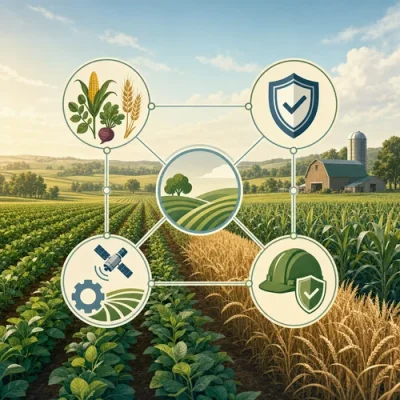
We've discussed the importance of implementing effective risk management plans in farming. We started by defining risk mitigation and its significance in safeguarding livelihoods. We then identified various risks like environmental, economic, operational, and societal, and explored specific strategies to address them.
From diversifying crops and livestock to investing in insurance and adopting advanced technology, we've covered a range of best practices that can help farmers protect their operations. Emphasizing continuous monitoring and regular updates to risk management plans ensures that farmers stay ahead of potential threats and adapt to changes.
Proactive risk management is not just about responding to threats as they arise-it's about anticipating them and taking preemptive action. By being proactive, farmers can minimise potential disruptions and maintain steady, productive operations. The resilience built through these measures fosters long-term sustainability and profitability.
Farming is inherently unpredictable, but with the right strategies in place, farmers can turn challenges into manageable risks. It's about creating a farm business that's robust enough to handle whatever comes its way.
Don't wait for the next crisis to start thinking about risk management. The best time to begin planning is now. By taking the steps outlined in this blog, you can create a resilient farm operation capable of withstanding various challenges.
We encourage you to assess your current risk management strategies and make necessary adjustments. Engage with your community, invest in training, and stay informed about new technologies and regulations. Your proactive efforts today will safeguard your farm for the future.
Published: Sunday, 9th Mar 2025
Author: Paige Estritori



No comments yet. Be the first to share your thoughts.